
The Drift: When You Stop Doing What Helps Without Noticing
It feels like a few small choices until those choices become the routine.
The drift · When helpful things quietly disappear
Most people do not decide to stop doing what helps. They simply do it a little less often until it is no longer part of their life.
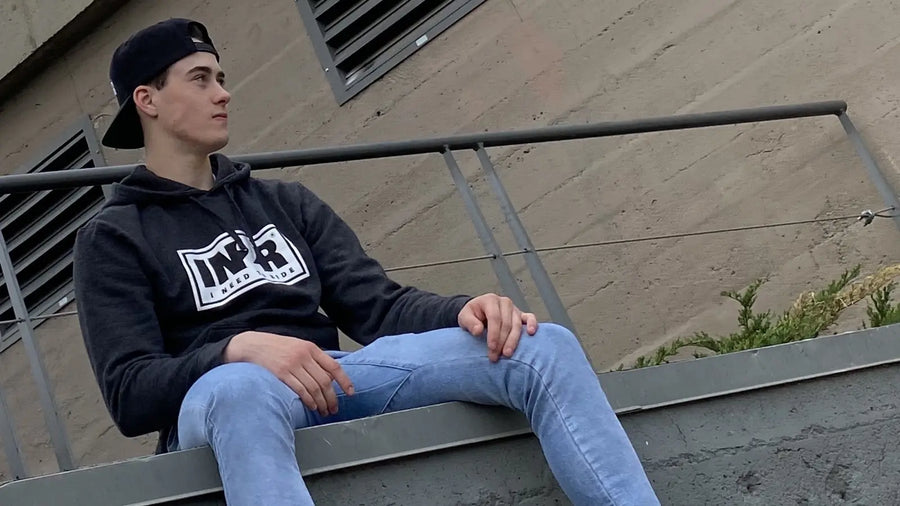
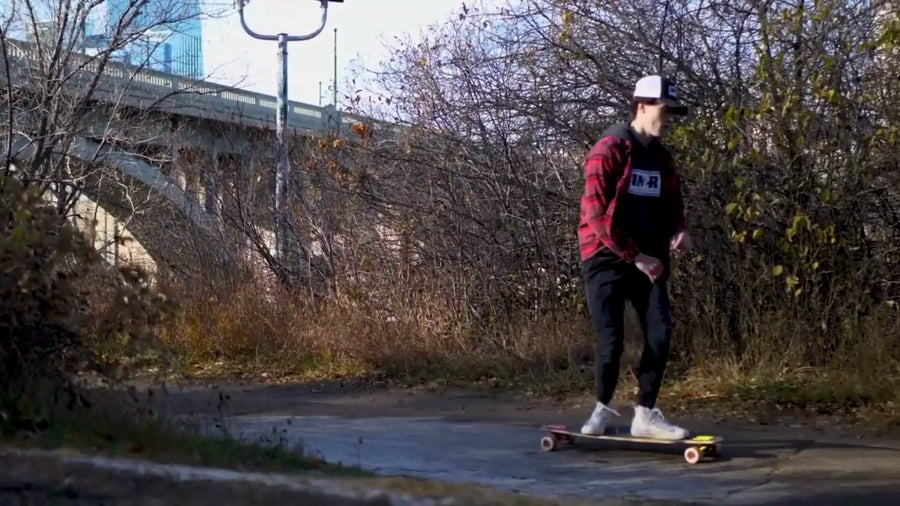
The walk gets skipped because the day ran long. The board stays in the corner because the weather changed. You stop calling the person who helps you feel grounded because you do not want to explain where your head is at.
None of those moments feels like a major decision. Together, they can create distance between you and the things that help you feel present, focused and connected. That quiet distance is what we call the drift.
It Rarely Feels Serious at First
The drift usually looks ordinary. You stay home one more night. You scroll longer than you meant to. You tell yourself you will get outside tomorrow. You become harder to reach and stop making plans because being alone feels easier.
Sometimes the reasons are obvious. Work is busy. Money is tight. The season changes. Your energy is low. A routine gets interrupted and never quite returns.
Other times, you cannot point to a single cause. You only realize that the things that once gave you movement, focus or connection have slowly disappeared from your week.
That is why the drift can be difficult to notice. Nothing dramatic has happened. Life has simply become smaller around you.
Pay Attention to What Has Gone Missing
In our last post, Find Your Ride, we talked about identifying the activities, people and places that help you move, focus or reconnect.
The drift is what happens when those supports begin to fade from view. The first sign is often not how bad you feel. It is what you have stopped doing.
Look at what used to be part of your life. Not what you think you should enjoy, but what genuinely helped you feel more like yourself.
The walks, rides, workouts or time outside that once gave your energy somewhere to go.
The music, projects or hands-on activities that helped quiet the background noise.
The people and places that reminded you that you did not have to carry everything alone.
Awareness Works Better Than Shame
When people notice they have drifted, the first reaction is often self-criticism. You tell yourself you have become lazy, weak or undisciplined. Then the pressure makes starting again feel even harder.
Shame does not make the next step easier. Honest awareness can.
Instead of asking what is wrong with you, ask what has changed. Look for patterns without turning them into a verdict about your character.
Make the First Move Smaller
The longer something has been missing, the bigger returning to it can feel. A workout becomes an entire fitness plan. Calling a friend becomes a difficult conversation. Going for a ride becomes a test of whether you can still do what once came naturally.
It does not need to be that big.
Walk for ten minutes instead of planning an hour. Ride to the end of the block. Put on the album that used to change the room for you. Send one honest text. Sit outside long enough to feel the air change.
The goal is not to make up for lost time. It is to interrupt the drift.
Motivation may come after you begin, not before. Make the first move small enough that you do not need to feel completely ready.
Reduce the Distance Between You and What Helps
Good intentions are easier to lose when the helpful thing requires too many decisions. Reduce the friction wherever you can.
Leave your shoes or board where you can see them. Put one realistic window in your calendar. Ask someone to join you. Choose a route before the day gets busy. Keep the activity close enough that beginning does not feel like another project.
You are not trying to create a perfect routine. You are making it easier to choose something useful when your energy and attention are limited.
Your ride can change. What matters is keeping some form of movement, focus or connection within reach.
Reach for More Support When You Need It
Returning to a helpful activity can create breathing room, but it is not a cure and it cannot replace professional mental-health care.
If the drift feels persistent, daily life is becoming difficult or you are worried about your safety, reaching out is a strong next step. You do not have to wait until things become unbearable.
Life is a ride
Drifting Is Not Failing
Everyone loses contact with what helps sometimes. The important part is not noticing immediately. It is what you do once you recognize the distance.
Do not demand a complete comeback from yourself. Notice what has gone missing, choose one small move and make the next helpful choice easier to reach.
FIND YOUR RIDE. KEEP IT CLOSE.