
What I Didn't Know How to Say: A Father Watching His Son Struggle
WAS WRONG.
I just did not know what to do about it.
For parents · Mental health · Scott Anderson
There is a particular kind of helplessness that comes with watching your kid struggle and not knowing what to say. You can see something is off. You can feel the distance growing. And yet the words do not come — or when they do, they come out wrong.
This is the post I wish someone had handed me when Aidan was going through the hardest part of it. Not a clinical guide. Not a list of warning signs. Just an honest account of what it looked like from a father's side of the table.
The Signs Were There. I Just Did Not Know How to Read Them.
It was not dramatic. That is the first thing I would tell any parent. There was no single moment where everything changed. There was just a slow withdrawal — from activities, from conversation, from the version of himself that I recognized.
He was still getting up. Still going through the motions. Still showing up to the things he was supposed to show up to. But something underneath had shifted. The energy was different. The laughter came less easily. The things that used to matter to him seemed to matter a little less.
I noticed. But I did not act on it the way I should have. I told myself it was a phase. That he was a teenager. That this was what growing up looked like sometimes.
Some of that was true. Most of it was me not knowing what else to do.
The Silence Was Not Indifference. It Was Fear.
I did not know how to start the conversation. That is the honest answer. I was afraid of saying the wrong thing — of making it worse, of pushing him further away, of naming something out loud that he was not ready to talk about.
So I waited. I stayed close without pressing. I tried to be present without forcing it. And for a while that felt like the right call — like I was giving him space rather than abandoning him.
But silence has a cost. The longer you wait for the perfect moment to say the right thing, the more the distance grows. And eventually the distance starts to feel normal — for both of you.
I wish I had said something sooner. Not the perfect thing. Just something.
You do not need the right words. You need to start. The conversation does not have to be perfect to matter.
Staying consistent. Showing up the same way every day, whether he was open or not. Presence without pressure.
Waiting for him to bring it to me. Kids rarely do. The conversation has to come from you first.
It Did Not Start With a Big Conversation.
The shift did not happen the way I expected. There was no breakthrough moment, no single conversation that unlocked everything. It was more gradual than that — small moments of honesty that built on each other until the bigger things became easier to say.
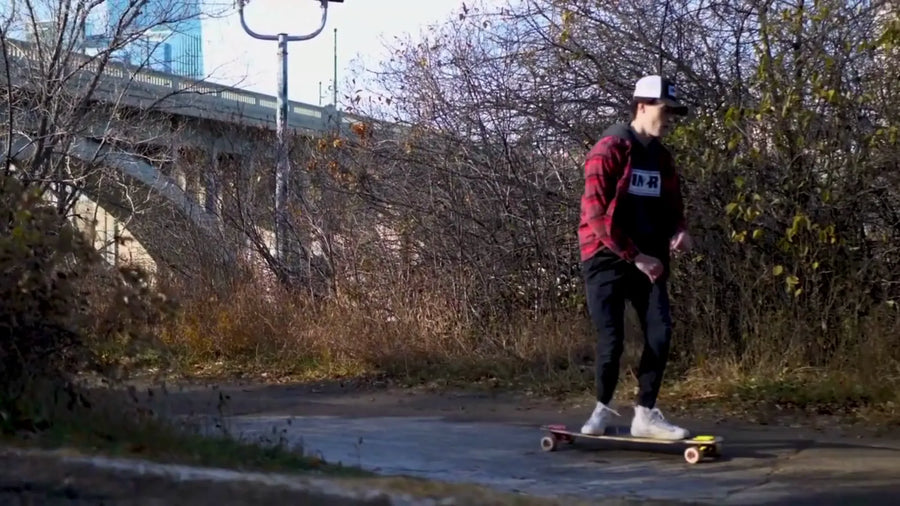
What helped was movement. Getting outside together. Not talking about it directly but being side by side somewhere that was not the house, not the kitchen table, not a setting that felt like a confrontation. Something about being in motion made the words come more easily for both of us.
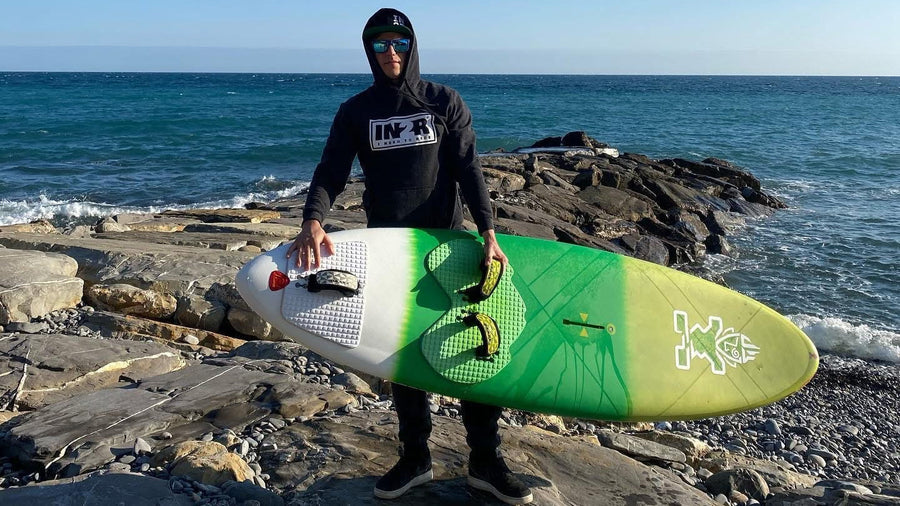
That experience is part of why IN2R means what it means to me. Not just as a business. As something that came out of a real thing we went through together.
You Do Not Have to Get It Perfect.
If you are reading this because something feels off with your kid — trust that feeling. You are not overreacting. The quiet withdrawal, the slightly dimmed version of the person you know — those things are worth paying attention to.
You do not need to have the answers. You do not need to know exactly what is wrong or how to fix it. You just need to say something. Anything that opens the door.
Something like: I have noticed you seem a little different lately. I am not trying to push. I just want you to know I am here.
That is enough to start. The rest comes with time, and with showing up the same way every day until they are ready to let you in.
For parents
You Don't Have to Say the Perfect Thing.
You Just Have to Say Something.
I did not handle all of it perfectly. I waited too long, said too little and hoped it would sort itself out on its own. It did not sort itself out — Aidan did, with help, over time.
What I know now is that the conversation does not have to be perfect to matter. It just has to happen.
LIFE IS A RIDE. NO ONE SHOULD RIDE IT ALONE.
Need support?
If your child — or anyone you know — is struggling, you do not have to figure it out alone either. Call or text 9-8-8 anywhere in Canada, 24 hours a day. In Saskatchewan, call 811 for free, confidential mental health and addictions support. If someone's safety is at immediate risk, call 9-1-1.